CNA Jobs Near Me vs. Medical Assistant: Which Path Makes More Sense?
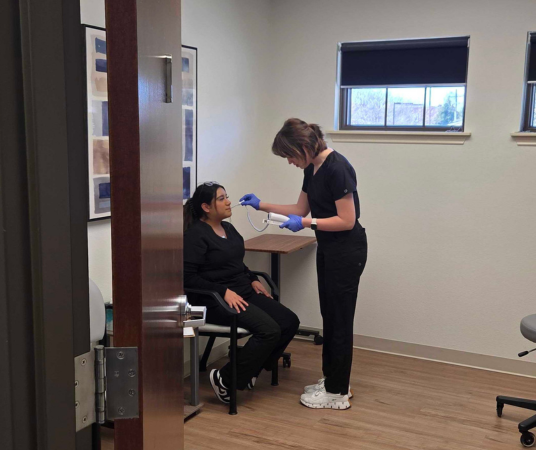
Two of the most common entry points into healthcare are CNA (Certified Nursing Assistant) and medical assistant. Both are accessible, both lead to patient-facing clinical work, and both have real demand in most markets. But they’re genuinely different roles — in scope, setting, salary, and career trajectory.
If you’re weighing CNA jobs near Knoxville against the medical assistant path, here’s the honest comparison.
What CNAs do vs. what medical assistants do
CNA: what the role actually involves
Certified Nursing Assistants provide direct patient care — primarily in long-term care, hospitals, and rehabilitation facilities. The work is physically demanding and patient-intensive: assisting with activities of daily living (bathing, dressing, feeding, mobility), taking vital signs, documenting patient status, and supporting nursing staff.
CNAs typically care for the same patients over extended periods, especially in nursing home and long-term care settings. The relationships are meaningful and the care is essential — but the clinical scope is narrower than many people expect.
Common CNA settings:
- Nursing homes and skilled nursing facilities
- Hospitals (med/surg, oncology, cardiac, rehabilitation units)
- Home health and home care agencies
- Assisted living and memory care facilities
- Rehabilitation centers
Medical assistant: what the role actually involves
Medical assistants work primarily in outpatient clinical settings — physician offices, specialty clinics, urgent care centers, and hospital-based outpatient departments. The role is a blend of clinical procedures and administrative responsibilities, with a rotating patient population rather than long-term ongoing care.
A medical assistant’s clinical day typically includes phlebotomy, injections, EKGs, patient intake and vital signs, specimen collection, and procedure assistance. Administrative tasks include EHR documentation, scheduling, insurance verification, and patient communication.
Common MA settings:
- Primary care and family medicine practices
- Specialty clinics (cardiology, dermatology, orthopedics, OB/GYN, oncology, neurology)
- Urgent care centers
- Hospital outpatient and ambulatory care departments
- Community health centers and federally qualified health centers
Salary comparison (2026)
CNA salary
- Long-term care CNAs: tend to earn below the median in many markets
Geographic variation is significant. Urban hospital CNAs in high-cost-of-living areas earn considerably more than rural nursing home CNAs.
Training comparison
CNA training
- Duration: 4–12 weeks (varies significantly by state minimum requirements)
- Credential: State-issued CNA certification (pass written and hands-on skills exam)
- Prerequisites: High school diploma or GED; some states allow enrollment at 16 or 17
CNA training is fast and often nearly free. Many nursing homes and home health agencies pay for CNA training in exchange for a work commitment — making it a genuinely accessible entry into healthcare.
Medical assistant training
- Duration: 12 weeks to 12 months depending on program format
- Credential: CCMA (NHA), CMA (AAMA), or state-equivalent certification
- Prerequisites: High school diploma or GED; no healthcare experience required
MA training takes longer and costs more upfront.
Career trajectory comparison
Where CNA leads
CNA is often described as a healthcare entry point and stepping stone:
- Home health / private duty → more independence, flexible scheduling, often higher hourly rates
CNA experience is genuinely valuable for people pursuing nursing. The clinical exposure, patient care skills, and healthcare environment familiarity are meaningful preparation. But without going on to nursing or another advanced credential, the CNA ceiling is relatively low.
Where medical assisting leads
- Lead or head MA in larger group practices — supervisory role, salary bump
- Medical office manager — leverages both clinical and administrative background
- Further clinical education — MA experience is relevant preparation for nursing, PA programs, or other clinical credentials
The MA career has genuine depth without requiring additional education.
Physical demands and work environment
CNA
- High physical demands: lifting, transferring, repositioning patients — often multiple times per shift
- Occupational injury rates are among the highest in healthcare
- Emotional weight: high patient acuity, end-of-life care common in long-term settings
- Shift work common — nights, weekends, and holidays are standard in hospital and nursing home settings
Medical assistant
- Moderate physical demands — on your feet throughout the shift, but less heavy lifting
- Outpatient clinic hours typically align with business hours (evenings and holidays less common)
- Fast-paced but lower patient acuity in most settings
- Patient relationships are meaningful but typically shorter-term than long-term care
The honest recommendation for Knoxville
Neither path is a wrong choice. CNA is faster, often cheaper, and an excellent foundation if you’re planning to pursue nursing. The work is genuinely important and the demand is real.
Medical assisting makes more sense if:
- You prefer an outpatient clinical environment to hospital or nursing home work
- You want clinical variety — working across a range of procedures and patient presentations
- Nursing isn’t specifically in your long-term plan
What the local Knoxville job market looks like
Both CNAs and medical assistants are in consistent demand in Knoxville and similar markets. But the nature of that demand is different:
CNA demand is driven primarily by long-term care and hospital systems — large institutional employers with ongoing, high-volume staffing needs. The positions are plentiful but often come with irregular hours, mandatory overtime, and high physical turnover.
MA demand is driven by physician practices, specialty clinics, and urgent care centers — a diverse range of employers, most of whom hire on a smaller, more selective basis.
For people in Knoxville prioritizing stability, regular hours, and upward salary mobility, the MA job market is typically the stronger long-term option.
Ready to get started?
Our medical assistant training program prepares you for the CCMA exam and hands-on clinical work in real medical offices — no prior experience required.